
Alibaba Debuts Quark AI Glasses in China, Betting on Everyday AI Assistants

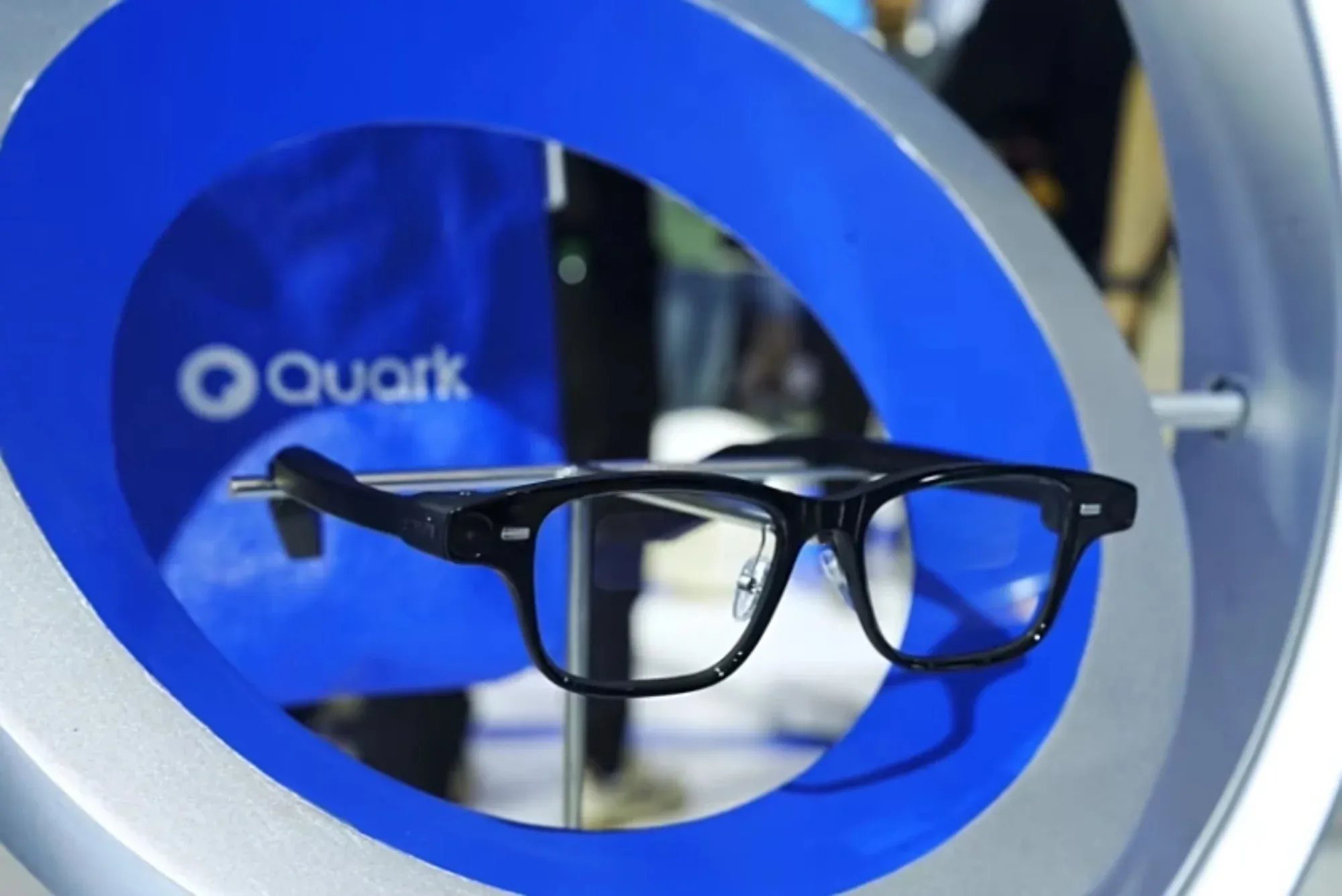
Alibaba has officially entered the global race for AI-powered wearables with the launch of its new Quark smart glasses in mainland China, a move that pushes the e-commerce giant deeper into consumer hardware and everyday AI use cases. Reuters
Priced from 1,899 yuan (about $268), the Quark glasses are powered by Alibaba’s in-house Qwen AI model and companion app. Instead of looking like a bulky headset, the device is designed to resemble normal eyewear, built around a minimalist black plastic frame. That design choice positions Quark as something you can wear all day in public without drawing the kind of attention typical VR gear still does. Reuters
Where Alibaba is trying to stand out is integration. The glasses plug directly into the company’s core services, including Alipay and shopping platform Taobao. In practice, that means wearers can ask the glasses to translate foreign text on the fly, identify products and pull up prices instantly, or get quick navigation and other utility-style assistance without taking out a phone. Alibaba pitches Quark less as a gaming or entertainment gadget and more as a hands-free “life assistant” layered over everyday errands and travel. Reuters
Analysts see the move as a strategic attempt to secure Alibaba a place in the next generation of traffic entry points—the devices and interfaces where consumers first start a digital session. With China’s e-commerce landscape more competitive than ever, owning the hardware that sits on a user’s face could become as important as owning the app on their phone. Beijing-based electronics analyst Li Chengdong notes that the product leans heavily on Alibaba’s strengths in shopping, payments and navigation, turning those capabilities into a tightly integrated wearable experience rather than a standalone gadget. Reuters
The Quark AI glasses are already listed on major Chinese online marketplaces such as Tmall, JD.com and Douyin, though it is still too early for meaningful sales data, as the product has only just gone on sale. For Alibaba, which has historically lagged some rivals in consumer-facing AI, Quark follows a recent major upgrade to its AI chatbot and signals a broader push to make its large language models visible in everyday life—not just in the cloud or developer tools. Reuters
Alibaba is entering a fiercely contested arena. Meta currently dominates the VR headset segment with roughly 80% market share, while also pushing its smart glasses partnership with Ray-Ban. Apple has staked out the ultra-premium end of the market with its Vision Pro mixed-reality headset, and Samsung recently launched its Galaxy XR device built around Google’s AI features. On the home front, Chinese players including Xiaomi and Baidu have already introduced their own AI-enhanced glasses, underscoring how quickly the wearable AI category is crowding up. Reuters+1
For now, Quark is a China-first product, but its design, price point and deep linkage to Alibaba’s digital ecosystem make it a notable test case for how AI eyewear might move beyond niche enthusiasts toward mainstream, everyday use.